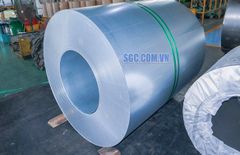






INOX - (SUS)
Phương pháp sản xuất: sử dụng thép nền là thép cuộn cán nóng hoặc cán nguội. Inox có rất nhiều loại với tỉ lệ thành phần hóa học khác nhau đáp ứng từng loại sản phẩm khác nhau. Quy trình sản xuất kim loại thép không gỉ cũng phức tạp không kém, tuy nhiên có thể sơ lược bởi những bước cơ bản sau: chuẩn bị nguyên vật liệu, nấu chảy – đúc, cán, ủ - tẩy gỉ.
TECHNICAL SPECIFICATIONS:
CHỦNG LOẠI | TIÊU CHUẨN | KÝ HIỆU | ĐỘ DÀY(mm) |
Inox (SUS) | JIS G4304 | SUS304 - 2B | 0,4~2,5 mm |
|
| SUS304 - BA | 0,4~2,5 mm |
| JIS G4305 | SUS430 - 2B | 0,4~2,5 mm |
|
| SUS430 - BA | 0,4~2,5 mm |
|
| SUS201 - BA | 0,4~2,5 mm |
Độ bóng | Đặc điểm | APPLICATION |
2D | Độ bóng mờ | Dễ đánh bóng sau khi dập, Dử dụng thông dụng trong nhiều lĩnh vực |
2B | Độ bóng mờ (sáng hơn 2D một chút) | Hơi cứng hơn 2D một chút |
BA | Độ sáng bóng ( có thể soi gương được) | Dùng trong trang trí nội thất, các đồ điện gia đình… |
HL (hair line) | Bề mặt có dạng hình sợi tóc | Dùng trong trang trí ngoại thất, sản xuất thang máy… |
Phương pháp sản xuất: sử dụng thép nền là thép cuộn cán nóng hoặc cán nguội. Inox có rất nhiều loại với tỉ lệ thành phần hóa học khác nhau đáp ứng từng loại sản phẩm khác nhau. Quy trình sản xuất kim loại thép không gỉ cũng phức tạp không kém, tuy nhiên có thể sơ lược bởi những bước cơ bản sau: chuẩn bị nguyên vật liệu, nấu chảy – đúc, cán, ủ - tẩy gỉ.
SGC hiện đang cung cấp SUS304/430-2B/BA… với độ dày từ 0.4mm~ 2.5mm.
APPLICATION: sản phẩm dân dụng, công nghiệp, xây dựng, y tế


INOX (SUS)
Phương pháp sản xuất: sử dụng thép nền là thép cuộn cán nóng hoặc cán nguội. Inox có rất nhiều loại với tỉ lệ thành phần hóa học khác nhau đáp ứng từng loại sản phẩm khác nhau. Quy trình sản xuất kim loại thép không gỉ cũng phức tạp không kém, tuy nhiên có thể sơ lược bởi những bước cơ bản sau: chuẩn bị nguyên vật liệu, nấu chảy – đúc, cán, ủ - tẩy gỉ.
SGC hiện đang cung cấp SUS304/430-2B/BA… với độ dày từ 0.4mm~ 2.5mm.
APPLICATION: sản phẩm dân dụng, công nghiệp, xây dựng, y tế